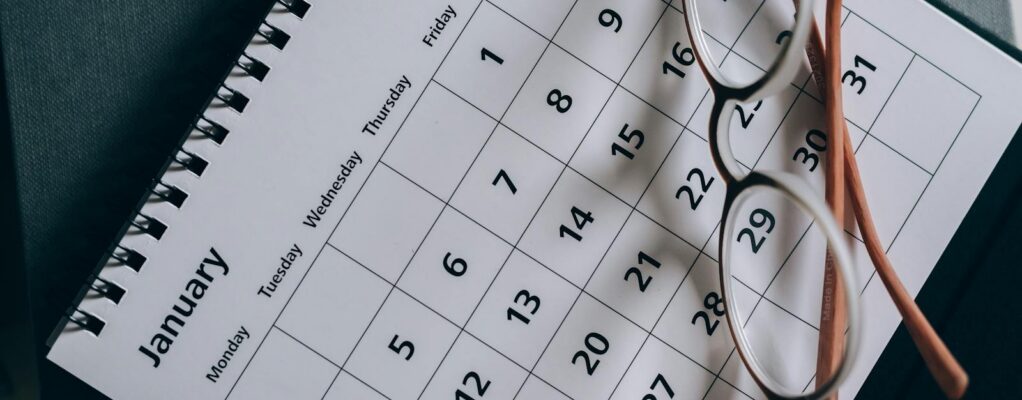
What Happens After Dry January ends?
Every year, people set aside January for a 31-day No-Alcohol challenge.
The tradition started back in 2011, when a runner (shoutout to Emily Robinson at AlcoholChangeUK!) decided to quit drinking to support her half-marathon training.
And I guess you could say the idea caught on.
For many people, the idea behind Dry January lines up really well with the season:
- It’s perfectly aligned with New Year’s Day, so for people looking to start fresh, Dry January offers a great built-in health goal right away.
- It’s a good break from all that overindulgence; from Thanksgiving onward, we tend to find ourselves inundated with meals, parties, snacks, sweet treats, and boozy occasions.
- It’s nice to tackle a challenge when it’s part of a collective effort, so when the social vibe switches to talking about a break from drinking, you can’t help but bump into posts and ads about it without even trying.
But then, what happens when the whole thing comes to an end? I guess that depends on what you learn during the process.
For some, Dry January is a healthy reset and a good way to reexamine their relationship with alcohol. It may cause you to change your drinking habits, dialing back on those nighttime glasses of wine or “special occasion drinks” that tend to crop up, well, at every occasion.
Or maybe, like Daniel Radcliffe or Tom Holland, you’ll really start to question whether drinking has become more harmful than harmless in your own life.
And it may ultimately pave the way to a sober future beyond January 31st.
So now that we’re here at the end of the month, a great first step is a little self-assessment. It doesn’t have to be formal. Simply looking back at the last 30-ish days and noticing how giving up drinking has affected you (physically, mentally, emotionally, and socially) can shed some light on what you might like to do next.
You may decide it was a nice break, and nothing changes.
You may have some clarity on your old habits, and choose to dial things back a bit. After all, recovery isn’t only for people who’ve “hit rock bottom.”
For some of us (like my friend Madison, who shared her story on my podcast), drinking doesn’t ruin your life, but it does quietly get in the way of a better life.
Dry January can highlight how much hangovers suck, how drinking interferes with our fitness goals, how much money disappears at bars, or how many adventures we end up enjoying without it.
To those who decide to keep the “dry streak” going, congratulations! Choosing a longer sobriety journey can be exciting and intimidating all at once.
Many people find that connecting with a sober community, whether that’s Alcoholics Anonymous, SMART Recovery, or something less formal, makes a big difference—especially if not drinking over the past month felt harder than you expected it to.
In the end, Dry January doesn’t have to turn into a major life change or a lifelong label. Sometimes the win is just paying attention, being honest with ourselves, and letting what we’ve learned guide us toward whatever comes next.
Get Treatment Help
If you or someone you love is struggling with addiction, getting help is just a phone call away, or consider trying therapy online with BetterHelp.
Exclusive offer: 20% Off BetterHelp*Following links to the BetterHelp website may earn us a commission that helps us manage and maintain AddictionHelp.com. *Get 20% off your first month of BetterHelp. Offer valid for new BetterHelp users only. Offer cannot be combined with insurance.

Browse other posts
View all blog postsNo related articles found.